Description
Game Introduction
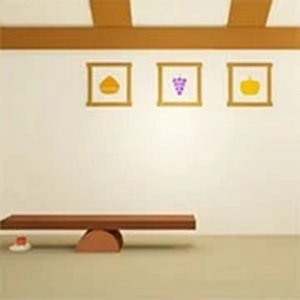
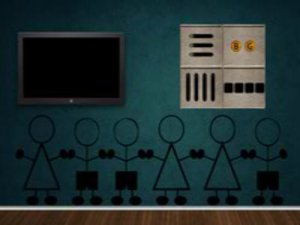
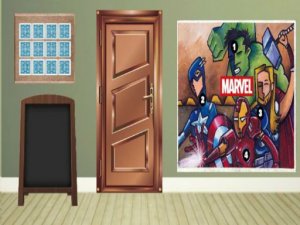
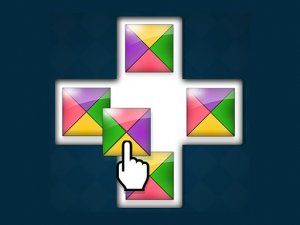
Puzzle Logic Challenge is a family-friendly logic puzzle game that tests your problem-solving skills in a safe, engaging environment. You enter various rooms, each containing a unique device that requires careful thinking to deactivate. The puzzles focus on codes, sequences, and logical reasoning, offering a non-violent alternative for players of all ages who enjoy mental challenges. The game encourages creative thinking and attention to detail, with subtle clues provided in each room to guide you. With a calm and inviting atmosphere, Puzzle Logic Challenge provides a rewarding experience for puzzle enthusiasts looking for a stimulating yet relaxing activity.
How to Play
To play, select a room from the available options. Each room presents a device with a specific puzzle that requires logical reasoning. Your goal is to enter the correct codes or perform precise actions to deactivate the device. Pay close attention to the clues scattered around the room, as they often hold the key to solving the puzzle. Use your mouse or keyboard to input your answers. If you get stuck, try different combinations or think creatively. The game is straightforward and intuitive, allowing you to focus on the puzzles without complicated controls. Remember, the objective is to have fun while exercising your brain.
Game Features
Puzzle Logic Challenge includes logic-based puzzles that require careful reasoning. It offers multiple rooms, each with unique challenges that progressively increase in difficulty. The content is family-friendly with no violence or intense themes, making it suitable for all ages. Simple controls using mouse or keyboard ensure easy interaction. Clues are provided in each room to assist with solving, and the progressive difficulty keeps players engaged. The game's calm atmosphere and focus on mental exercise make it a great choice for puzzle lovers.
Tips for Success
To succeed in Puzzle Logic Challenge, take your time to observe each room thoroughly. Look for patterns, colors, or numbers that might be clues. If you encounter a difficult puzzle, try breaking it down into smaller steps. Don't hesitate to experiment with different combinations—sometimes the solution is not obvious. Practice regularly to improve your logical thinking and pattern recognition. Finally, stay patient and enjoy the process; the puzzles are designed to be rewarding when solved.