Charge Collector Dash
Reviews
Charge Collector Dash turns a simple energy meter into a compelling puzzle mechanic. The gradual introduction of moving platforms and tricky cell placements keeps the game engaging without feeling unfair. Controls are tight and responsive, which is essential for the later levels that demand accurate jumps. The cheerful visual style makes the experience approachable for all ages. This is a solid choice for anyone who enjoys platform games with a strategic twist.
Description
Energy Management Core
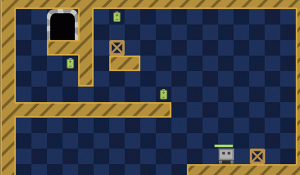
The central mechanic of Charge Collector Dash revolves around a constantly depleting energy meter. Players must guide their character through each stage, collecting glowing energy cells to prevent the meter from hitting empty. This creates a natural sense of urgency without relying on timers or countdowns. Each cell adds a small amount of charge, but the placement of these cells requires careful consideration. Some are positioned along the main path, while others are tucked away on elevated platforms or behind obstacles. Deciding whether to take a detour for extra energy or stay on a direct route becomes a strategic choice that affects the entire run.
Level Design Philosophy
Each stage in Charge Collector Dash is built around a distinct layout that introduces new spatial puzzles. Early levels feature simple flat terrain with a few platforms, allowing players to understand the basic movement and energy mechanics. As players advance, the stages incorporate moving platforms, collapsing sections, and barriers that shift position. The arrangement of energy cells is never random; each placement is designed to test a specific skill, such as judging jump distance or timing a dash between moving parts. This progression ensures that the game remains engaging without overwhelming newcomers.
Controls and Responsiveness
The game uses straightforward controls that respond instantly to player input. Movement is handled with directional keys or on-screen buttons, and a single action button triggers jumps. The character accelerates smoothly and stops quickly, giving players precise control over positioning. Jump arcs are consistent, making it possible to learn the exact height needed to reach specific platforms. This reliability is important because many puzzles require pixel-perfect landings. The responsive controls reduce frustration and allow players to focus on planning their route rather than fighting the interface.
Visual Style and Atmosphere
The visual design of Charge Collector Dash uses bright, clean colors and simple shapes that clearly communicate gameplay elements. Energy cells glow with a warm light, making them easy to spot even from a distance. Obstacles are rendered in contrasting shades so they stand out against the background. The character is animated with a rolling motion that visually reinforces the constant movement required. The overall aesthetic is cheerful and uncluttered, which helps players concentrate on the puzzle elements. There are no distracting effects or overly detailed backgrounds that could cause confusion during fast sections.
Difficulty Curve and Replay Value
The challenge in Charge Collector Dash increases gradually, introducing new obstacles and more complex energy cell arrangements over time. Each new element is introduced in a safe context before being combined with other mechanics. This allows players to build confidence before facing tougher combinations. Because the energy meter creates a soft time limit, players often need multiple attempts to perfect their route. This trial-and-error process encourages experimentation with different paths. The satisfaction of completing a stage after several attempts comes from learning the layout and executing a clean run, which gives the game strong replay value for those who enjoy mastering levels.