Pocket Strategy 3D Logic
Reviews
Pocket Strategy 3D Logic stands out by blending billiard physics with thoughtful puzzle design. The requirement to pocket both the target ball and the cue ball adds a layer of strategy not found in typical table games. Levels start simple but gradually introduce obstacles that demand creative solutions. The lack of timers or pressure makes it a perfect wind-down activity. Visuals are clean and calming, and the controls respond precisely to swipes. For anyone who enjoys logic puzzles with a tactile, spatial element, this game delivers a consistently rewarding experience.
Description
Core Gameplay Loop
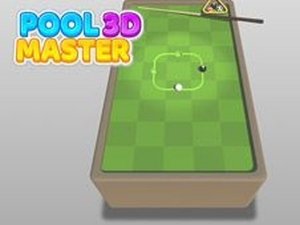
Players view a 3D table from a fixed perspective, studying the positions of colored balls and the cue ball. The objective is to send the cue ball toward a target ball, causing it to roll into a pocket. A unique rule requires the cue ball to also fall into a pocket after contact. This creates a two-step challenge: first, aim to hit the correct ball, and second, ensure the cue ball ends up in a designated hole. Each level resets the layout, so no two puzzles feel the same.
Level Design Philosophy
Levels introduce new obstacles like raised bumps, narrow channels, or angled barriers that redirect balls. Early stages teach basic aiming and rebound mechanics. Later stages combine multiple obstacles, forcing players to plan several moves ahead. The difficulty curve is gentle, allowing newcomers to build confidence before facing complex setups. There are no timers or score multipliers, so players can experiment freely.
Visual and Control Design
The 3D view rotates slightly to give a clear sightline to all pockets. A simple swipe gesture sets the direction and power of the shot. A subtle grid overlay helps judge angles. The color palette is soft and non-distracting, with pastel tones for the table and balls. Animations are smooth but quick, so players spend more time thinking than watching replays.
Strategic Thinking Required
Success depends on reading the table and predicting ball paths. Players must consider which ball to hit first, how the cue ball will ricochet, and whether a direct shot or a bank shot is better. Some levels require hitting a ball off a wall to reach a distant pocket. Others demand a precise touch to avoid knocking other balls out of position. This mix of physics and logic keeps the mind engaged without causing frustration.
Session Flexibility
Because there are no timers, players can pause at any moment and return later. A single level can be solved in under a minute once the solution is clear, but some puzzles may take several attempts. This makes the game ideal for waiting rooms, commutes, or winding down before bed. The lack of pressure encourages a relaxed, thoughtful approach.